
Autumn Budget 2026 at a glance – how it affects you and your money
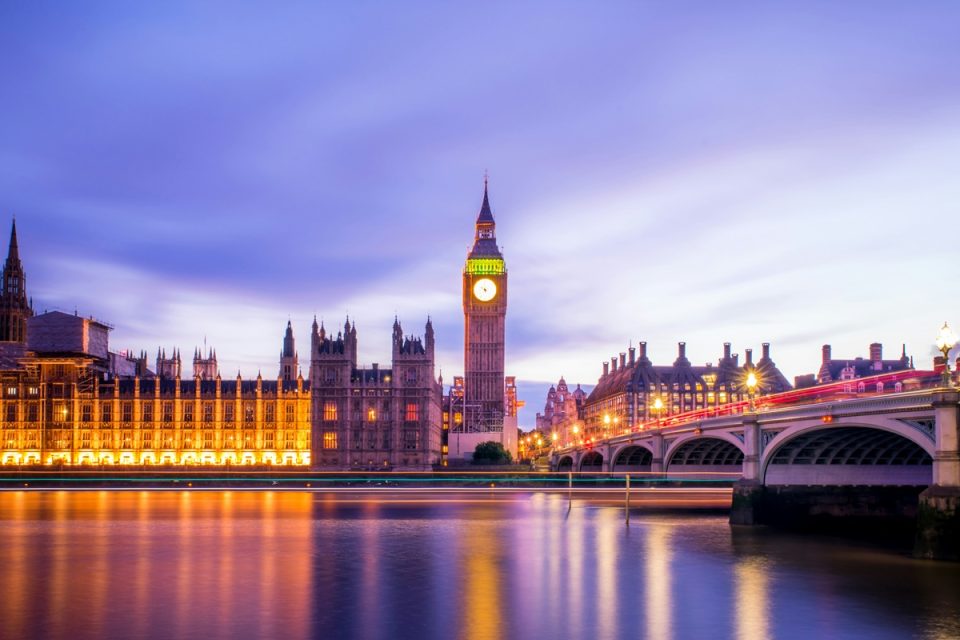
Discover how the Autumn Budget 2026 affects tax, pensions, savings, inheritance planning and business owners, with key changes and dates explained.
Chancellor John Healey’s first Autumn Budget included a range of measures affecting personal finances, retirement planning, savings and businesses. While the government has avoided broad increases to the main rates of tax, several targeted changes could have significant implications for individuals, investors and business owners.
Here are the key announcements and what they could mean for your financial plans.
Income Tax: frozen allowances and higher taxes on savings
The government has confirmed that the Personal Allowance, currently £12,570, and Income Tax thresholds will remain frozen until 2031. Although tax rates are not increasing across the board, frozen thresholds can mean more income becomes taxable as earnings and pensions rise over time.
There is also a significant change for savers and landlords. From 6 April 2027, both will pay an extra 4 per cent in income tax on money they receive as savings interest above their personal allowance, and rent they receive from tenants. This is because Healey has imposed a new 2 per cent hike, on top of a 2 per cent hike already imposed by former Chancellor Rachel Reeves in last year’s Budget.
So for qualifying savings interest, the rates will become 24% for basic-rate taxpayers, 44% for higher-rate taxpayers and 49% for additional-rate taxpayers. For taxable property income in England, Wales and Northern Ireland, the corresponding rates will also be 24%, 44% and 49%.
The changes will not affect everyone. Savings held within tax-efficient accounts such as ISAs remain protected, while the impact on other savings interest will depend on an individual’s tax position and Personal Savings Allowance.
ISAs: the £20,000 Cash ISA limit stays
In a reversal of previously announced plans, the Chancellor confirmed that the annual Cash ISA allowance will remain at £20,000, rather than falling to £12,000 for under-65s.
This preserves an important option for savers who want to earn interest without paying Income Tax on it. Reviewing the balance between cash savings, ISAs and other investments remains worthwhile, particularly as tax rates on savings income are due to rise.
Looking further ahead, a new First-Time Buyer ISA is planned for April 2029, replacing the Lifetime ISA for new savers. It will offer a 25% government bonus on contributions of up to £4,000 a year towards an eligible first home purchase costing up to £450,000. Existing Lifetime ISA holders will be able to retain their accounts.
Pensions and retirement income
The State Pension will rise by 3.9% in April 2027, taking the full new State Pension to approximately £250.70 a week, or around £13,036 a year.
That would put the full annual State Pension above the current £12,570 Personal Allowance. To prevent pensioners whose total income is no higher than the full new State Pension from paying Income Tax, the government will introduce a Pension Tax Allowance from 6 April 2027. The arrangement is intended to remain in place until April 2030, with further arrangements to be considered.
The State Pension triple lock will remain for the rest of this parliament but is due to change from April 2030. Under the revised system, increases will reflect the highest of inflation, 2.5% or the amount needed to maintain the State Pension’s value relative to earnings.
Another important upcoming change concerns estate planning. It was not mentioned in this budget and so pensions are still set to be subject to Inheritance Tax (IHT) from April 2027, which means most unused pension funds and pension death benefits will fall within the scope of IHT from 6 April 2027.
This makes it increasingly important to consider pensions alongside other assets when reviewing retirement income, estate planning and the financial legacy intended for family members.
Business owners: reliefs, tax and business rates
The Budget includes several measures relevant to small businesses, sole traders and company directors.
The Trading Allowance will increase from £1,000 to £3,000 from 6 April 2027, allowing individuals to receive more qualifying trading and miscellaneous income tax-free.
For those planning to sell a business, the changes are more mixed. The lifetime limit for Business Asset Disposal Relief will fall from £1 million to £500,000 from 6 April 2027. However, a new Founders’ Relief is planned, offering a 10% Capital Gains Tax rate on qualifying disposals of shares in certain high-growth, innovative UK companies, subject to eligibility conditions and a £10 million lifetime limit.
Company directors should also be aware of planned reforms to the taxation of company distributions, intended to reduce opportunities to extract profits at more favourable tax rates. Further detail is expected as the proposals develop.
For qualifying retail, hospitality and leisure premises in England, the threshold for full Small Business Rates Relief will increase from £12,000 to £18,000 from April 2027, with tapered relief extending to £21,000.
The headline Corporation Tax rate remains capped at 25%, although a temporary increase in the Bank Corporation Tax Surcharge will apply from January 2027.
Other changes worth noting
The National Living Wage will rise by 3.9% from April 2027, increasing employment costs for some businesses.
From April 2029, eligible Self-Assessment taxpayers who make payments on account will move to smaller, more regular payments towards their tax bills. Business owners should also keep an eye on the planned changes to business tax administration and company distributions, as further details emerge.
What should you do next?
The Budget reinforces the importance of taking a joined-up approach to financial planning. Frozen tax thresholds, higher taxes on savings and property income, changes to pension death benefits and revised business reliefs could all affect decisions about saving, retirement, investment and succession planning.
The right response will depend on individual circumstances, and not every change requires immediate action. However, understanding which measures apply to you, and when, can help you plan ahead with greater confidence.
If you would like to understand how the Autumn Budget could affect your financial plans, retirement income or business, contact Kellands to discuss your circumstances and the options available to you.
Please note
All information is from the Budget documents found on this page.
The content of this Autumn Budget summary is intended for general information purposes only. The content should not be relied upon in its entirety and shall not be deemed to be or constitute advice.
While we believe this interpretation to be correct, it cannot be guaranteed, and we cannot accept any responsibility for any action taken or refrained from being taken as a result of the information contained within this summary. Please obtain professional advice before entering into or altering any new arrangement.